Why Do We Have Wisdom Teeth?

share

Medically Reviewed by Dr. Charles Dennis, DMD, on June 1, 2022

Wisdom teeth have long been a topic of interest and concern in dental health. In this blog, we’ll take a look at the history of wisdom teeth, exploring why these teeth exist, and addressing the common problems they can create today.

Short Answer: Why Do We Have Wisdom Teeth?

Wisdom teeth were necessary for our ancestors who needed extra chewing power for their tough, raw diets. Today, they often cause dental issues due to changes in diet and jaw size.

The History Behind Wisdom Teeth

Wisdom teeth, also known as third molars, have a rich history that dates back to our early human ancestors. These teeth, which usually start to make an appearance when a person is in their late teens or early twenties, were once essential for an ancient diet that consisted of tough, raw foods that required more chewing power.


In those times, the human diet included items like roots, nuts, and uncooked meats—foods that demanded significant bite strength and durability of teeth to break down effectively. Wisdom teeth provided additional grinding surface, helping our ancestors to more efficiently process these hard-to-chew items.


This capability was necessary not only for nutritional intake but also for survival, as the ability to consume a broader range of foods allowed early humans to adapt to several different environments. The nature of these molars was perfectly suited to their dietary needs, reinforcing their role in early human development.

Why Wisdom Teeth Are Less Useful Today

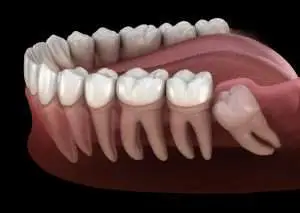
Today, wisdom teeth are often more of a hassle than helpful. As our diets have changed to include softer, processed foods, we don’t need these extra teeth for chewing tough, raw foods as our ancestors did. Our jaws have also gotten smaller over time, which means there’s not enough room for these teeth to fit comfortably. This can lead to problems like teeth crowding or wisdom teeth getting stuck, known as impaction. Because of these issues, wisdom teeth extraction has become a widely necessary procedure.

Common Issues and Complications with Wisdom Teeth

Wisdom teeth often lead to complications as they try to find a place in our smaller modern jaws. These issues can be painful and may affect overall dental health. Understanding these common problems can help you recognize when it might be time to consult your dentist.

  • Impaction: Wisdom teeth can become trapped under the gum line if there isn’t enough space for them to emerge. This can lead to pain and swelling.
  • Misalignment: If wisdom teeth do manage to break through the gums, they can push against other teeth, causing misalignment of the existing dental structure.
  • Infection: Partially emerged wisdom teeth can create openings around the teeth that allow bacteria to enter. This can result in infections, leading to pain, swelling, and jaw stiffness.
  • Cysts and Tumors: Occasionally, cysts or tumors may form around the impacted wisdom teeth, potentially damaging the jawbone and nearby teeth if not treated.
  • Decay: Wisdom teeth are hard to reach and clean, which makes them more vulnerable to decay compared to other teeth.
  • Gum Disease: The difficulty in cleaning wisdom teeth can also lead to inflammation of the gums, a condition known as pericoronitis, which can become chronic if not addressed.
Signs Your Teeth Are Remineralizing

It’s not always easy to spot the signs of your teeth remineralizing, but there are a few indicators that your enamel is getting stronger and healthier:

  • Decreased Sensitivity: If your teeth no longer feel sensitive to temperature or sweetness, it means your enamel is building back up, providing better protection for your teeth.
  • Fading White Spots: Those white spots on your teeth, which indicate mineral loss, can start to fade or become less noticeable as your teeth remineralize. This is a sign that minerals are being redeposited into your enamel.
  • Smoother Edges: If the edges of your teeth feel rough or jagged due to enamel wear, a sign of remineralization is them becoming smoother. As your enamel strengthens, it fills in those rough spots.
  • A Brighter Smile: Teeth can look brighter and more vibrant as they remineralize. Healthy enamel has a natural shine, so improved tooth health might also mean a more sparkling smile.
  • Less Plaque Build-Up: Strong, healthy enamel is less likely to hold onto plaque and tartar. If you notice less build-up between dentist visits, it could be a sign your enamel is in better shape.

Remember, while these signs can indicate your teeth are on the mend, the best confirmation comes from your dentist. Regular check-ups can help track your progress and ensure your teeth are getting the minerals they need.

When is it Necessary to Get Your Wisdom Teeth Removed?

Deciding when to remove wisdom teeth is important for maintaining oral health. Generally, dentists recommend extraction if you experience persistent pain, repeated infections, cysts, tumors, tooth decay, or gum disease associated with wisdom teeth. If your wisdom teeth are causing damage to neighboring teeth or leading to bone loss or misalignment, removal might also be necessary. It’s important to get regular dental check-ups, as a dentist can monitor the progress of your wisdom teeth through x-rays and physical examinations to decide the best course of action before serious complications occur.

What to Expect During and After Wisdom Teeth Removal

Removing wisdom teeth is a common procedure that can help prevent future dental issues. Knowing what to expect both during and after the surgery can ease any concerns and help you prepare for a successful recovery.

During

During the removal of wisdom teeth, your dentist or oral surgeon will typically use local anesthesia, sedation, or general anesthesia, depending on the complexity of the procedure and your comfort level. The process involves making an incision in the gum to expose the tooth, removing any bone that blocks access to the root, and then extracting the tooth itself. The area is then cleaned, and the wound is stitched up to promote healing.

After

After the procedure, recovery typically involves a few days of rest and limited activity. You may experience swelling, discomfort, and minor bleeding, but these symptoms generally improve within a few days. It’s important to follow your dentist’s aftercare instructions to ensure a smooth recovery. For specific dietary guidelines during recovery, including safe, soothing foods, be sure to read our related blog, What Can I Eat After Wisdom Teeth Removal?, which offers helpful tips and meal ideas.

Local Dentist in Clarks Summit, PA

At Abington Center for Cosmetic and Family Dentistry in Clarks Summit, PA, we pride ourselves on being your trusted local dentist. We understand that questions and concerns about wisdom teeth can arise, and we’re here to provide guidance and support. Contact us today to schedule a consultation today if you’re looking for advice or need help understanding your dental health options, including issues related to wisdom teeth.

Summary

Wisdom teeth were useful for our ancestors but often cause problems today because our diets and jaw shapes have changed. This guide has explained why these teeth can be an issue, what problems they cause, and how they are removed and managed. Knowing this information can help you make better decisions about your dental health with advice from your dentist.

Frequently asked

Questions we hear often.

Yes. We welcome new patients of all ages from Clarks Summit, the Abingtons, Scranton, and surrounding communities. Call (570) 587-4031 or request an appointment to get started.

Please call first if you can, so we can prepare and reduce your wait – but we’ll always do our best to fit urgent cases in quickly.

We accept most major dental plans, including Delta Dental, MetLife, and Aetna. Call and we’ll verify your specific coverage before your visit, and we offer financing too.

Related services

Explore adjacent care.

Professional Teeth Whitening

Teeth Whitening

Premium Professional Teeth Whitening in Clarks Summit, PA Professional teeth whitening uses dentist-strength gel – far stronger and safer than […]
Explore
Children Dentistry

Children’s Dentistry

Premium Children’s Dentistry in Clarks Summit, PA Children’s dentistry focuses on gentle, preventive care that keeps young smiles healthy and […]
Explore

Family Dentist

Family Dentistry

Premium Family Dentist in Clarks Summit, PA A family dentist provides complete dental care for every member of your family, […]
Explore

Educational resources

From the Journal.

4.9 · 700+ Google reviews

Ready to discuss full mouth reconstruction?

A complimentary consultation is the quietest way to start. Written
plan, transparent pricing, no pressure.

Monday, Tuesday, & Thursday:

8:00 AM – 5:00 PM

Wednesday:

8:00 AM – 7:00 PM

Friday, Saturday, & Sunday:

Closed

Scroll to Top