
Medically Reviewed by Dr. Charles Dennis, DMD, on January 21, 2025
 Medically Reviewed by
 Tooth pain isn’t just uncomfortable—it can be a sign that something serious is going on. That persistent ache, sharp pain when biting, or lingering sensitivity to hot or cold might feel easy to ignore at first, but dental issues rarely resolve on their own. In fact, some symptoms could point to an underlying problem that requires treatment, like a root canal. If you’re here, you’re likely wondering whether the discomfort you’re experiencing might mean it’s time to see a dentist.
Below, we’ll discuss the most common signs that you might need a root canal, explain the procedure, and share what you can do to protect your oral health.
What Is a Root Canal?
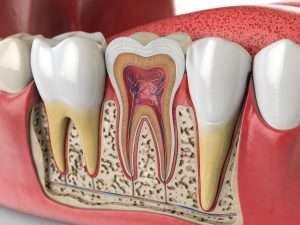
A root canal is a dental procedure designed to save a tooth that’s been damaged by decay, infection, or injury. Inside each of your teeth, beneath the hard enamel and dentin layers, is a soft tissue called the pulp. This pulp contains nerves, blood vessels, and connective tissue, which help your tooth grow and develop. However, once your tooth is fully formed, it can survive without the pulp, relying on the surrounding tissues for nourishment.
When the pulp becomes inflamed or infected—often due to deep cavities, cracks, or trauma—it can lead to serious pain and even spread the infection to other areas. A root canal removes the damaged pulp, cleans the inside of the tooth, and seals it to prevent further issues.
Thanks to modern dental techniques, root canals are a safe and effective way to save a tooth that might otherwise need to be extracted. They also help restore the function of your tooth while protecting your overall oral health. For many people, a root canal can provide relief from pain and stop the problem from getting worse. And if you’ve been told you might need a root canal, don’t worry—it’s a common procedure that can make a big difference in preserving your smile.
How Painful Is a Root Canal Really?
One of the biggest misconceptions about root canals is that they’re extremely painful. The truth is that modern root canal procedures are no more uncomfortable than getting a routine filling. With the use of local anesthesia, you’ll feel little to no pain during the procedure. In fact, many people find the relief from their toothache far outweighs any mild discomfort they might experience. Dentists today also use advanced tools and techniques to make the process as smooth and stress-free as possible.
How Do I Know If I Need a Root Canal?
Sometimes it’s hard to tell whether a tooth problem is serious enough to need a root canal or if it’s something that can be treated more conservatively. The key is recognizing the signs that point to issues with the tooth’s pulp or root. These symptoms often start gradually but can become more severe over time if left untreated. Below, we’ll walk you through the following eight signs that may mean it’s time to schedule an appointment with your dentist:
- Persistent tooth pain
- Sensitivity to hot or cold that lingers
- Discoloration of the tooth
- Swollen or tender gums
- A recurring pimple on the gums
- Pain when chewing or biting
- A chipped or cracked tooth
- Deep decay or a darkened tooth
Sign 1: Persistent tooth pain
Tooth pain that doesn’t go away or keeps coming back is one of the clearest indicators of a problem inside the tooth. This pain can range from a dull ache to sharp, throbbing discomfort, and it often worsens when you’re eating or applying pressure. Persistent pain may signal that the tooth’s pulp is inflamed or infected, which requires treatment to prevent further complications.
Sign 2: Sensitivity to hot or cold that lingers
It’s normal to feel a little sensitivity when eating something hot or cold, but if the sensation lingers long after you’ve finished, it could mean the nerves inside the tooth are damaged. This type of sensitivity, especially when it feels like a sharp or intense pain, is often a sign of pulp inflammation or infection.
Sign 3: Discoloration of the tooth
When a tooth turns gray or darkens, it can indicate that the inner pulp is dying or has already died. This discoloration occurs because of reduced blood flow or tissue breakdown inside the tooth. While tooth discoloration can sometimes have other causes, it’s a warning sign that shouldn’t be ignored, especially if it’s accompanied by other symptoms.
Sign 4: Swollen or tender gums
Swelling or tenderness around a specific tooth is another common sign of a deeper issue. This happens when an infection spreads from the tooth’s pulp to the surrounding gum tissue. The swelling may come and go or remain constant, and in some cases, it might even make the gums appear red or puffy.
Sign 5: A recurring pimple on the gums
A small bump or pimple that appears on your gums and keeps coming back could be a sign of an abscess caused by an infection in the tooth. This bump may release pus, leaving a bad taste in your mouth, and it’s a clear indication that the infection needs to be addressed immediately.
Sign 6: Pain when chewing or biting
If you feel a sharp pain when biting down or chewing food, it could mean the tooth’s pulp or root is damaged. This discomfort often indicates that the tooth is cracked, has severe decay, or is suffering from nerve damage. Over time, the pain may become more intense without treatment.
Sign 7: A chipped or cracked tooth
A chipped or cracked tooth doesn’t just affect your smile—it can also allow bacteria to reach the inner pulp, leading to infection. Even if the damage seems minor, any break in the tooth’s structure increases the risk of needing a root canal, especially if it’s left untreated.
Sign 8: Deep decay or a darkened tooth
When a cavity goes untreated for too long, it can penetrate deep into the tooth and reach the pulp, causing infection or damage. This often leads to visible dark spots on the tooth or even a completely darkened tooth. At this stage, a root canal is usually the best way to save the tooth and stop the decay from spreading further.
Are These Symptoms Always a Sign You Need a Root Canal?
Not always. While the signs we’ve talked about, like tooth pain or lingering sensitivity, can mean you need a root canal, they can also point to other dental problems. Issues like gum irritation, a small cavity, or even sinus pressure can sometimes cause similar symptoms. That’s why it’s so important to visit your dentist to figure out what’s really going on. Your dentist might take X-rays and check the tooth carefully to see if the root or pulp is affected. If it’s not, other treatments like a filling, crown, or even a simple cleaning might be enough to fix the problem.
Don’t Wait to Protect Your Smile, Visit Your Local Dentist Today
If you’re experiencing any of the signs we’ve covered, don’t wait to take action—your smile and oral health are too important to ignore. At Abington Center for Cosmetic & Family Dentistry, your local dentist serving Clarks Summit, PA, and Scranton, PA, we’re here to provide expert care and help you find relief. Whether you need a root canal or another treatment to address your symptoms, our team is dedicated to making your experience as comfortable as possible. Early treatment can save your tooth, prevent further problems, and get you back to feeling your best. Contact us today to schedule an appointment and take the first step toward a healthier smile!