Medically Reviewed by Dr. Charles Dennis, DMD, on September 11, 2024
 Medically Reviewed by
 Recovering from wisdom teeth surgery can be tough, especially when you’re ready to get back to your normal routine. The good news is that there are some easy steps you can take to heal faster and feel more comfortable. In this blog, we’ll take a look at nine effective ways to help you recover faster after wisdom teeth surgery.
What to Expect During Wisdom Teeth Recovery
Recovering from wisdom teeth surgery can be a bit challenging, so it’s helpful to know what to expect. The pain usually starts once the numbness from the procedure wears off, and it tends to be most noticeable during the first two to three days. You might feel anything from a mild ache to more intense, throbbing pain, depending on how your surgery went.
Swelling is also a normal part of recovery, often peaking around the second or third day. You may notice some puffiness in your cheeks or even a bit of bruising around your jaw—these are just signs that your body is healing.
Some bleeding from the extraction sites is expected, especially during the first 24 hours. Your dentist will likely have you bite down on gauze to help manage the bleeding and allow clots to form. Since those first few days can be tough, it’s a good idea to take some time off work, school, or any planned activities.
How to Speed Up Wisdom Teeth Recovery in 9 Ways
Now that you know what to expect during recovery, let’s focus on how you can help your body heal faster. While it’s normal to feel sore and swollen after surgery, there are some easy steps you can take to make your recovery quicker and more comfortable:
1. Follow Post-Operative Instructions Carefully
You might be here to see how you can cut a day or two from your wisdom teeth recovery time, however, your dentist will give you specific instructions to follow after your wisdom teeth removal. These instructions are important because they’re designed to help you heal properly. They might include advice on how to care for the area, what foods to avoid, and when to take any medications. It’s really important to follow these guidelines closely, as doing so can prevent complications and make your recovery smoother.
2. Manage Swelling with Cold Compresses
After surgery, blood vessels in the area tend to widen, which leads to swelling. The good news? This is completely normal and expected. The better news? You can make the swelling go away by using cold compresses. Applying a cold pack to your cheeks for the first day or two can help keep the swelling down and ease some of the pain. Try using the compress for about 15 minutes at a time, then take it off for 15 minutes before reapplying. This simple step can make a big difference in how you feel during the early days of recovery.
3. Stay Hydrated and Eat Soft Foods
Staying hydrated is essential for overall health and healing, especially after surgery. Drinking plenty of water helps keep your mouth clean and can prevent dry socket, a painful condition where the blood clot at the site of extraction becomes dislodged.
Alongside staying hydrated, focus on eating soft, easy-to-chew foods that won’t irritate the surgical site. Foods like yogurt, applesauce, and mashed potatoes are gentle on your mouth and provide the nutrients you need to recover. Avoid anything too hot, spicy, or crunchy, as these can irritate your mouth and slow down your recovery.
4. Use Over-the-Counter Pain Relievers as Needed
Managing pain is a key part of your recovery process, and over-the-counter (OTC) pain relievers like ibuprofen (Advil, Motrin) or acetaminophen (Tylenol) can be very effective. Ibuprofen is particularly useful because it not only relieves pain but also reduces inflammation, which can help with swelling. Acetaminophen is another option, especially if you’re unable to take ibuprofen due to medical reasons.
5. Keep the Surgical Area Clean
It’s important to keep the area around your wisdom teeth clean to prevent infection, but you’ll need to be careful not to disturb the healing process. After surgery, your mouth has open wounds where your teeth were removed, and these can easily get infected if not kept clean.
Starting 24 hours after your surgery, begin rinsing your mouth with a saltwater solution. This helps to reduce bacteria and soothe the area. To make it, just mix half a teaspoon of salt into a cup of warm water. Gently swish it around your mouth, focusing on the area near where your teeth were removed, and then spit it out. Be sure to avoid vigorous swishing, as it could disturb the blood clots that are forming.
You can continue brushing your teeth, but be gentle near the extraction sites. Use a soft-bristled toothbrush and avoid brushing directly on the surgical area until your dentist says it’s okay. You can also keep flossing, but be extra careful around the extraction sites to avoid irritation.
6. Avoid Physical Activity
It’s important to take it easy after surgery. Physical activity, like exercise or heavy lifting, can increase blood pressure and heart rate, which can lead to increased bleeding at the surgical sites. Even something as simple as bending over or running can put unnecessary strain on you. Rest is your friend during this time, so don’t rush back into your normal routine too quickly. Most patients can gradually start up their normal activities after a few days, but it’s important to listen to your body. If you feel pain or notice increased swelling after resuming activities, it’s a sign that you might need more rest.
7. Sleep with Your Head Elevated
Sleeping with your head elevated can make a big difference in how quickly you heal. Here’s how to do it:
- Use Extra Pillows: Prop your head up with an extra pillow or two to keep it elevated while you sleep.
- Angle: Aim for a 45-degree angle to help reduce swelling and prevent bleeding.
This simple adjustment can help you feel better in the morning and keep swelling under control.
8. Avoid Smoking and Alcohol
Smoking and alcohol can both delay healing and increase the risk of complications after wisdom teeth removal. Smoking is especially harmful because it involves suction, which can dislodge the blood clot that forms in the socket after your tooth is removed, and reduces blood flow to the gums, which can slow down the healing process.
Alcohol, on the other hand, can interfere with any pain medications you might be taking and can also dehydrate your body, which is the opposite of what you need for recovery. For the best recovery, it’s advisable to avoid both smoking and drinking alcohol for at least a week after your surgery. This gives your body the best chance to heal quickly and without complications.
9. Be Patient and Give Yourself Time to Heal
Healing from wisdom teeth surgery takes time, and everyone’s recovery timeline is different. It’s important to be patient with yourself and not rush the process beyond what your body can handle. Trying to get back to your normal routine too quickly can lead to setbacks, such as increased pain or complications like dry sockets.
Your body needs time to heal, and rest is the most important part of that process. Make sure you’re giving yourself the time you need to fully recover before continuing with your regular activities. It’s also important to pay attention to your body’s signals—if something doesn’t feel right, or if you’re experiencing more pain than expected, it’s okay to slow down and give yourself more time to heal.
By being patient and allowing your body the time it needs, you’ll be back to your normal self before you know it.
When to Contact Your Dentist or Surgeon
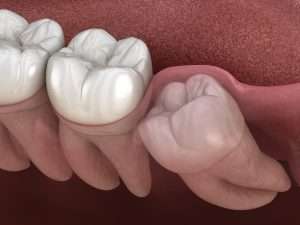
While most wisdom teeth recoveries go smoothly, it’s important to know when something might be wrong. If you experience severe pain that doesn’t improve with medication, persistent swelling that gets worse after a few days, or signs of infection like fever, foul taste, or pus, it’s time to reach out to your dentist or surgeon.
Bleeding that continues after the first 24 hours or difficulty swallowing or breathing are also red flags that need immediate attention. Your dentist is there to help, so don’t hesitate to contact them if something feels off. Acting quickly can prevent complications and ensure your recovery stays on track.
Local Dentist in Clarks Summit, PA
If you’re looking to get checked up after your wisdom teeth removal or just need regular dental care, Abington Center for Cosmetic & Family Dentistry is here for you. As your local dentist in Clarks Summit, PA, we provide everything from routine cleanings to comprehensive check-ups to keep your smile in great shape. Our friendly and experienced team is ready to help you maintain your dental health. Contact us today!
Summary
Taking care of yourself after wisdom teeth surgery is important for a smooth recovery. We’ve covered simple steps like using cold compresses, staying hydrated, and keeping the area clean, all of which can help you heal faster. By following these tips and knowing when to contact your dentist, you’ll be on your way to feeling better in no time.