Medically Reviewed by Dr. Charles Dennis, DMD, on October 3, 2022
After a root canal, it’s important to follow your dentist or endodontist’s specific aftercare instructions, which will include guidance on when you can resume eating. This article provides a detailed overview of when you can eat, what foods are safe to eat, and which foods to avoid after the procedure.
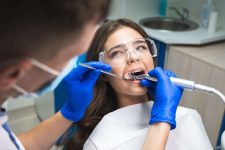
Root canal treatment is a routine and minimally invasive procedure designed to save a tooth that is severely damaged or infected. During the procedure, the dentist or endodontist removes the infected pulp from inside the tooth and cleans the space. The pulp contains nerves and blood vessels, and its removal alleviates pain and prevents further infection. The procedure itself is typically painless due to the use of local anesthesia and is usually completed in a single visit.
After the pulp is removed, the tooth is cleaned and sealed to prevent further infection. Depending on the extent of the damage, a crown is placed on the tooth by your dentist either during the same visit or after a few weeks once the permanent crown is ready. Root canals are considered a highly effective way to preserve a tooth, and the recovery time is relatively quick compared to other dental procedures. In fact, many patients resume their normal daily activities immediately after the procedure.
Following your root canal, you may be given a temporary crown to protect the tooth while the permanent crown is being fabricated. The temporary crown can usually be worn for a few weeks, but care should be taken to avoid hard foods that could damage or dislodge it. Once the permanent crown is placed, the tooth is fully restored, and you can resume normal eating habits, though it’s recommended to avoid particularly hard foods for a short period to allow the crown to fully bond to the tooth.
Your mouth will be numbed after your root canal.
During both procedures for either temporary crowns or permanent crowns a local anesthetic will be applied to numb your mouth. This numbing sensation will cause you to lose most of the feeling in your gums, teeth, and tongue. The downside is that for a few hours, you won’t be able to feel your mouth, which increases the risk of accidentally biting your cheek or tongue if you try to eat, or burning yourself with hot food you can’t detect.
You can usually start drinking fluids 30 minutes after the procedure. However, caution is essential during this period. Avoid eating solid foods until the numbness completely fades to prevent accidentally biting or chewing in a way that could cause harm. It’s advisable to wait at least a couple of hours before trying to eat anything and to stick to soft, easily consumable foods once you do. This precaution will help avoid unintended damage while your mouth recovers from the anesthesia.
Once you are no longer numb, try eating soft foods.
While unlikely, it is possible to pull out, damage, or crack a temporary crown or even a permanent crown with hard food. In addition, your mouth may be sore from the procedure, in which case you can take an OTC medication such as Ibuprofen (Advil) or Acetaminophen (Tylenol). Finally, you’ll likely be told to avoid chewing food in general on the tooth that received the root canal until the permanent crown is fitted and adhered (which may take up to a day after the crown is put on).
Soft foods you can eat include but are not limited to:
Breakfast Foods:
- Oatmeal: Warm and comforting, ideal for breakfast.
- Grits: Tasty with butter and cheese.
- Greek Yogurt: Rich in nutrients, smooth and thick.
- Miso Soup: Light and soothing for the stomach.
- Smoothies: A nutritious blend of fruits and vegetables.
- Scrambled Eggs: Soft, high in protein, and easy to consume.
- Cottage Cheese: Protein-packed, soft, and easy to eat.
- Mashed Bananas: Sweet, soft, and simple to mash.
- Semolina: Soft, porridge-like consistency, easy to digest.
- Soft Pancakes: Light and easy to chew.
- Soft Muffins: Moist and nut-free for easier consumption.
- Soft Waffles: Softened with syrup, easy to eat.
Lunch Foods
Creamy Mashed Potatoes: Comforting and easy on the digestive system.
Chicken Broth Soup: Warm broth with tender chicken pieces.
Avocado Delight: Creamy and full of healthy fats.
Mashed Cauliflower: A soft and creamy alternative to potatoes.
Tender Steamed Asparagus: Gentle on the palate.
Nutritious Hummus: Smooth chickpea spread.
Soft Cooked Pasta: Very tender and easy to chew.
Protein-Packed Baked Beans: Soft and rich in protein.
Flaky Fish (Haddock, Cod, Halibut): Soft and gentle on the mouth.
Creamy Rice Pudding: Soft and easily digestible.
Egg Salad: Protein-rich and soft to chew.
Hearty Lentil Soup: Smooth and easy on the mouth.
Dinner Foods
- Baked Salmon: Tender, flaky, and rich in omega-3s.
- Risotto: Creamy rice dish with a smooth texture.
- Meatloaf: Moist, easy to chew, and soft.
- Steamed Vegetables: Softened broccoli, spinach, or carrots.
- Soft Lentil Stew: Nutritious and easy to consume.
- Polenta: Creamy cornmeal dish with rich flavor.
- Creamed Spinach: Soft, creamy, and packed with nutrients.
- Soft Tofu: Silken tofu, smooth and easy to eat.
- Spaghetti: Cooked until tender, paired with a soft sauce.
- Steamed Zucchini: Soft and chewable texture.
- Soft Shell Tacos: Tender fillings wrapped in soft tortillas.
- Ground Chicken: Easily blended into soups and soft dishes.
- Mashed Sweet Potatoes: Creamy and packed with nutrients.
- Softened Bread: Broth or milk-soaked, easy to chew.
- Soft Casseroles: Contain soft ingredients like pasta or rice.
What shouldn’t I eat after a root canal?
– Hard foods
- Following a root canal, you risk damaging the temporary or permanent crown, but you also risk hurting yourself! This could elongate your healing process and cause pain.
- Problematic hard foods include but are not limited to nuts, ice, raw vegetables (i.e., carrots), hard candies.
– Chewy foods
- Chewy foods such as certain meats and candies put excess pressure on your freshly fixed tooth and can cause pain and damage.
– Spicy foods, hot foods, & cold foods
- After surgery, your tooth or teeth will naturally be more sensitive than usual. Following your procedure, it’s essential to try and avoid any spicy, hot, or super cold foods that may irritate your teeth. This should go away with time and healing.
- If you still experience sensitivity long after your dentist or endodontist suggests, contact them immediately.
Summary
- Always consult with your dentist or endodontist to determine what aftercare plan is best for you.
- It is standard practice to wait until 30 minutes after your root canal to drink liquids such as water.
- It is recommended to wait until your mouth is no longer numb (a few hours) before you eat to avoid biting your cheek/tongue and eating food that is too hot or cold.
- If you receive a temporary crown after your root canal, you’ll likely be encouraged to stick to a soft food diet until your next appointment.
- Once you receive a permanent crown, you’ll likely be told to avoid eating with that tooth until the adhesive that binds the crown to your tooth hardens fully. This may take a few hours or one day.
- Following your permanent crown, it’s okay to slowly transition back to your regular diet, avoiding super hard foods (like chewing ice) in general.
- Contact your dentist or endodontist immediately if you experience intense pain or discomfort.
Dr. Charles Dennis is certified in endodontics. In other words, he has all of the formal training of a dentist, with extra experience and education in the preservation and restoration of infected or injured teeth. The primary procedure in endodontics is root canals.
If you are in the Northeastern Pennsylvania, Scranton area, and require a root canal or think you may need one, use our online booking system or call Abington Center of Cosmetic and Family Dentistry at (570) 587-4031.