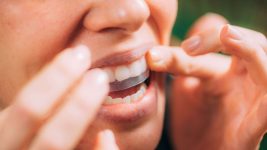
Across Northeastern Pennsylvania—including Scranton, South Abington, Dalton, and Clarks Summit—community drinking water is generally not fluoridated. Even if your home uses municipal city water rather than a private well, plan as though there’s no added fluoride unless your water provider confirms otherwise. You can review local listings with the CDC’s My Water’s Fluoride tool. Because that site isn’t updated in real time (as noted on the MWF home page), it’s smart to verify details directly with your utility.
Book a general cleaning or ask us questions at Abington Center.
Why fluoride still matters in Northeastern Pennsylvania
Fluoride helps keep enamel strong and lowers cavity risk. Where communities do add fluoride, the U.S. Public Health Service (via the CDC) recommends 0.7 mg/L as the optimal level, balancing benefits with the small risk of fluorosis. In areas that do not fluoridate water—like much of Northeastern Pennsylvania—the CDC emphasizes appropriate fluoride exposure through daily habits and professional care. Your dentist or pediatrician may recommend a toothpaste that contains fluoride or fluoride supplements for some children after reviewing your total exposure and cavity risk. For clinical overviews, see the CDC’s community water fluoridation recommendations and About Fluoride, the American Dental Association on fluoride, and the American Academy of Pediatric Dentistry fluoride therapy guideline.
- The optimal level when added is 0.7 mg/L per CDC/PHS guidance.
- In non-fluoridated areas, your clinician may recommend a toothpaste with fluoride or fluoride supplements based on individual risk (CDC overview, ADA, AAPD).
Well water and city water, what actually changes here
Private wells aren’t adjusted to 0.7 mg/L, so fluoride levels depend on local geology and are often low. In Lackawanna County municipal systems, the CDC’s My Water’s Fluoride listing for Pennsylvania currently shows no fluoridation for local systems. Because MWF isn’t real-time (MWF home), confirm with your provider. Practically speaking, families on both well and city water in Scranton, South Abington, Dalton, and Clarks Summit should plan for intentional fluoride strategies guided by their dental team.
- Wells are not adjusted; measured fluoride is often low.
- City systems in Lackawanna County are listed as not fluoridated in CDC MWF; always verify with your utility.
Clearing up a common misconception about fluoride

A frequent claim online is that water fluoridation is an “industrial byproduct.” The CDC and ADA describe community water fluoridation as a public-health measure—a controlled adjustment of naturally occurring fluoride to a recommended level that prevents tooth decay. Decades of research support its safety and effectiveness. For readable summaries, see CDC Fast Facts on Community Water Fluoridation, the CDC’s evidence statement, and the ADA’s fluoride resources.
- Fluoridation is a controlled preventive practice, not waste disposal (CDC Fast Facts, ADA).
- Safety and effectiveness are supported by long-term evidence (CDC evidence statement).
Age-based fluoride guidance for families in Scranton, South Abington, Dalton, and Clarks Summit
Important disclaimer: The sections below are general, evidence-based guidance. Always talk with your dentist (or pediatrician/pediatric dentist) for recommendations tailored to your family’s total fluoride exposure and cavity risk.
Does my baby need fluoride?
As teeth erupt, babies benefit from appropriate fluoride exposure. Because our region’s water is typically not fluoridated, your provider will focus on habits and individualized prevention. Your dentist or pediatrician may recommend a toothpaste that contains fluoride in age-appropriate amounts or fluoride supplements for some children after assessing all sources. Some prescription multivitamins include fluoride, and your clinician will decide if that’s appropriate. See CDC About Fluoride, ADA fluoride resources, the AAPD fluoride therapy guideline, and USPSTF pediatric guidance on supplementation when a child’s water supply lacks fluoride.
- Local water is generally not fluoridated; prevention is individualized.
- Your clinician may recommend a toothpaste with fluoride or supplements; some prescription multivitamins include fluoride (CDC, ADA, AAPD, USPSTF).
Do kids ages 3 to 12 need fluoride if our water is not fluoridated?
School-age children in non-fluoridated areas often benefit from enhanced prevention. Your provider may recommend a toothpaste with fluoride in age-appropriate amounts and professional fluoride varnish at routine visits. For higher-risk children, clinicians may prescribe fluoride supplements after confirming low water fluoride and evaluating overall exposure from diet and products. Helpful references include CDC About Fluoride, CDC tips for areas without fluoridated water, the ADA’s fluoride hub, and the AAPD guideline.
- In non-fluoridated regions, providers often advise a toothpaste with fluoride and periodic varnish.
- Supplements may be appropriate for some children after a careful review (CDC, ADA, AAPD).
What teens should know about fluoride in a non-fluoridated area?
Teens face a higher cavity risk from sugary drinks, frequent snacking, and orthodontic appliances. Your provider may recommend a toothpaste with fluoride and professional varnish as needed to reduce white-spot lesions and decay. Coaching on beverage choices and consistent routines is especially important in Northeastern Pennsylvania. General guidance is available from the CDC and ADA.
- Providers often recommend a toothpaste with fluoride and may add varnish for teens with braces.
- Cutting sugary and acidic drinks helps lower risk (CDC, ADA).
Do adults benefit from fluoride if our water is not fluoridated?
Yes. Adults—especially those with dry mouth from medications, acid reflux, frequent snacking, gum recession, or a recent cavity—often benefit from targeted fluoride strategies. Your dentist may suggest a toothpaste with fluoride and periodic professional fluoride treatments during checkups to support remineralization and reduce sensitivity. For background, see the CDC evidence statement and ADA fluoride resources.
- Adults may be advised to use a toothpaste with fluoride and receive periodic professional fluoride.
- Discuss sensitivity and root-surface protection with your dentist (CDC statement, ADA).
How to check your water and set up the right plan
Use the CDC’s My Water’s Fluoride to see how Pennsylvania systems are listed, then confirm with your local utility because MWF is not real-time (MWF home). Well owners should test regularly and bring results to dental visits. If a child’s water supply is deficient in fluoride, the USPSTF notes that primary care clinicians may prescribe oral fluoride supplements starting at 6 months, individualized to risk and exposure. The ADA and AAPD provide professional guidance that your dentist or pediatric dentist will use when tailoring recommendations. Some prescription multivitamins include fluoride, which your clinician may consider for pediatric patients when appropriate.
- Check MWF and then verify with your provider; test wells and share results at appointments.
- Supplements starting at 6 months may be considered when the water supply lacks fluoride (USPSTF); clinicians follow ADA and AAPD guidance.
Ready to get personalized advice
Because water in Northeastern Pennsylvania is generally not fluoridated, the core plan is simple—keep up daily care, schedule regular cleanings and exams, and follow clinician guidance on a toothpaste with fluoride, professional fluoride, and, when appropriate for children, supplements or prescription multivitamins that include fluoride based on overall exposure and risk.
Schedule a general cleaning or consultation at Abington Center.